
2026
Elections
Voting is now open for the 2026 SSSS Election! This is your opportunity to help shape the future of the Society for the Scientific Study of Sexuality by participating in the election of key leadership positions.
Your vote is an important part of keeping SSSS inclusive, member-driven, and forward-thinking. By participating, you help ensure that the Society continues to reflect the diversity, professionalism, and collaborative spirit of our community.
There is no current candidate. If you wish to become Treasurer, please email thesociety@sexscience.org
Treasurer Candidate
Secretary Candidate
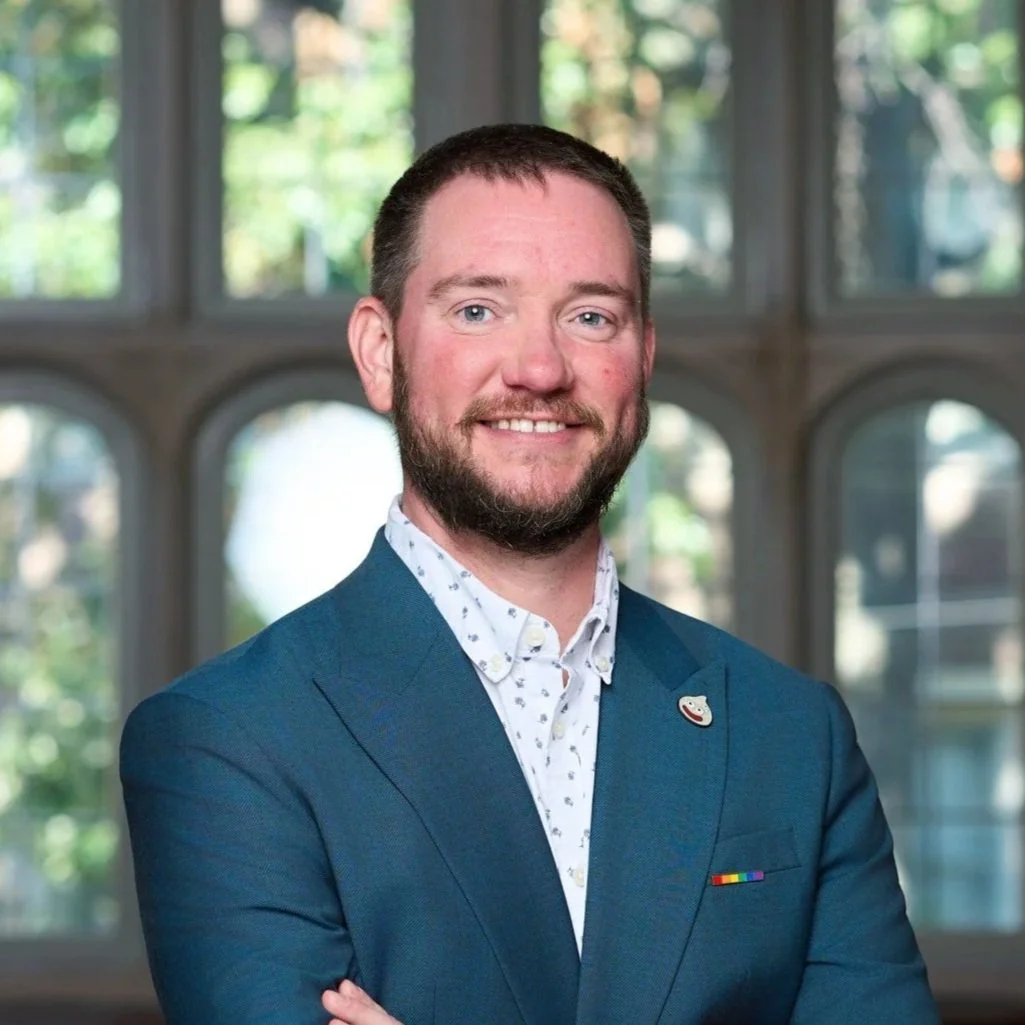
Joshua Rusow, PhD
Joshua Rusow, PhD, MSW (he/him), is an Assistant Professor at the Brown School at Washington University in St. Louis. A social work scholar and behavioral health researcher, Josh studies interpersonal violence, minority stress, and behavioral health among LGBTQ+ adolescents and young adults. The research combines longitudinal methods with digital technology, from identifying the structural and interpersonal drivers of health disparities to developing technology-based and generative AI interventions for youth who face barriers to affirming care.
Josh is a Co-Investigator on NIH-funded studies of intimate partner violence and school-based interventions for LGBTQ+ youth, including an ongoing national cohort study. He has published more than 25 peer-reviewed articles, several led by student first authors, in journals including the Journal of Interpersonal Violence, AIDS and Behavior, and PLOS ONE.
Before doctoral training, Josh coordinated HIV prevention research at Friends Community Center in Los Angeles, then earned an MSW and PhD in Social Work from the University of Southern California. At the Brown School, Josh chairs the Sexual Health and Education Specialization, serves on the planning committee for the Masters & Johnson Lecture Series, and leads a faculty group on generative AI in social work. Josh also teaches a study-abroad course comparing LGBTQ+ experiences in the United States and Brazil. Nationally, Josh coordinated the volunteer program for the Society for Social Work and Research annual conference and served on the Transgender Advisory Group of the Adolescent Medicine Trials Network for HIV/AIDS Interventions.
An SSSS presenter since 2017, Josh now mentors students who present their own research at the annual conference. He is committed to rigorous, affirming sexuality science that improves the health of LGBTQ+ young people.
Personal Statement
SSSS has been a scientific home for me since I first presented here in 2017, and today my students present their own work at our conference. I am seeking the Secretary position to help sustain the Society that has supported my growth, especially now. Since 2025, federal funding for LGBTQ+ health and sexuality research has been seriously disrupted, and professional societies like ours carry more of the work of connecting researchers, training new scholars, and making the case for our science.
The Secretary keeps the official record of the Board and the Executive Committee, and I have done this work before. Early in my career, I took minutes for a community HIV prevention organization running up to a dozen programs at once. I confirmed each speaker’s input before recording it, and those verified minutes became the organization’s source of truth. Since then, I have served on curriculum, personnel, and admissions committees at Washington University, as well as a university task force on information security. That experience shapes how I think about keeping sensitive records accurate and protected.
As Secretary, I would start by learning how the Board keeps its records now. From there, my goals are to build a searchable record of Board decisions and the reasoning behind them, so knowledge carries across Board terms; to circulate timely minutes with clear action items; and, if the Board wishes, to share plain-language summaries of its decisions with members.
I also see the Secretary role as part of the Society’s commitment to justice, equity, diversity, and inclusion. When members can see how decisions are made and how to take part, governance becomes more open to students, early-career scholars, and people new to the Society. I would be honored to serve SSSS as Secretary.
Membership Chair Candidate
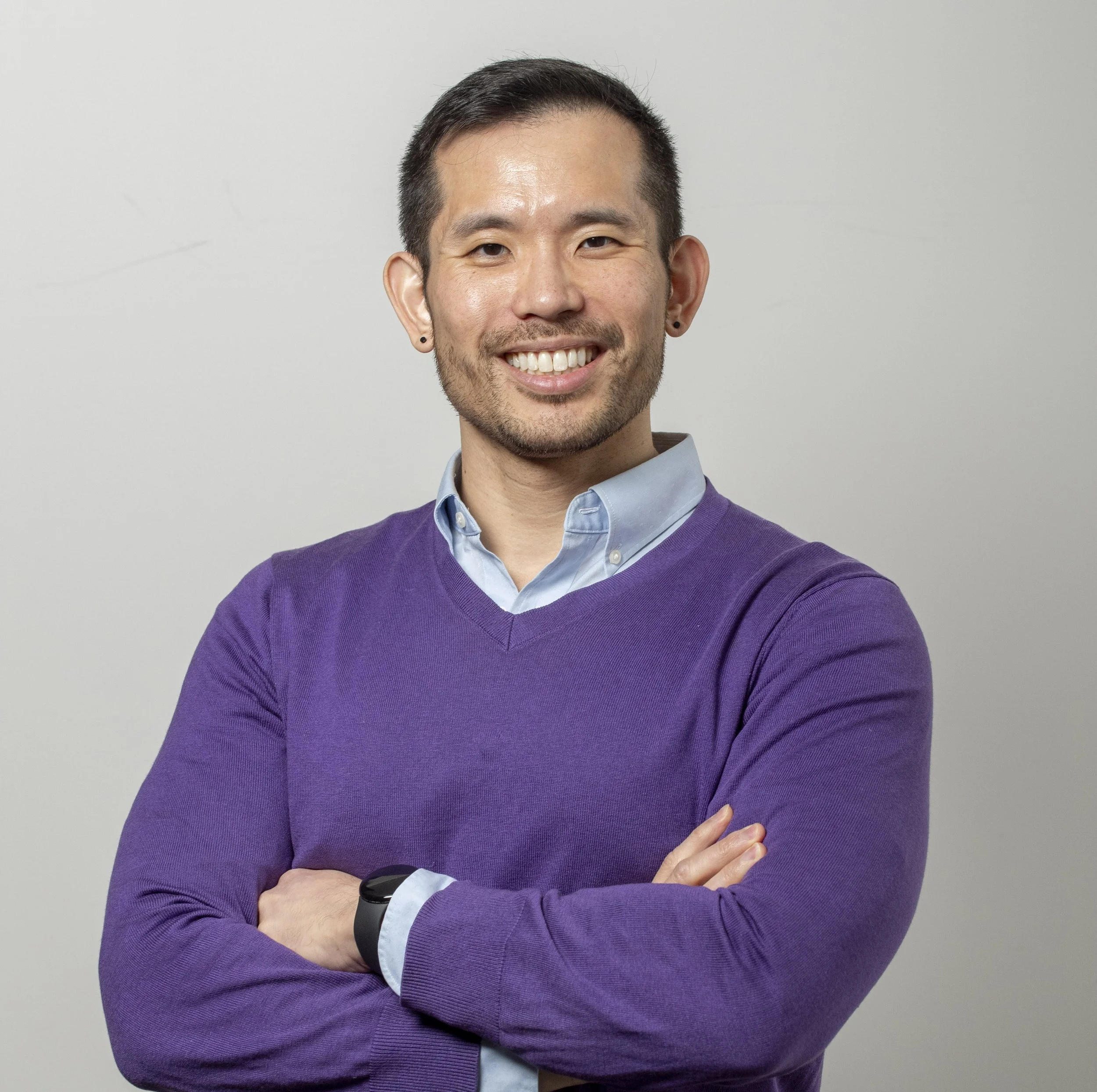
Dennis Li, PhD
Dennis Li, PhD, MPH, (he/him) is an Assistant Professor of Psychiatry and Behavioral Sciences and of Medical Social Sciences at Northwestern University. He is core faculty at the Center for the Dissemination and Implementation Science and Co-Director of the Northwestern University clinical and Translational Sciences Institute’s Translational science Pilot Award Program. As Founding Director of the ACCELERATE Research Program, Dr. Li and his team focus on public health approaches to improving the delivery of HIV treatment and prevention interventions to end the HIV epidemic in the US. He has been Principal Investigator or Co-Investigator on 19 NIH-funded projects in this area, including an ongoing R01 that is facilitating and studying the implementation of low-barrier HIV care clinics across the Chicagoland area. Additionally, he is Multiple Principal Investigator of the national HIV Implementation Science Coordination Initiative, which coordinates and supports researchers’ and practitioners’ use of shared implementation science methods to contribute to generalizable HIV implementation knowledge.
Personal Statement
Hello, SSSS Membership. My name is Dennis Li. I am an assistant professor at Northwestern University Feinberg School of Medicine focused primarily on HIV implementation science, and I am running for reelection as Membership Chair of the Society for the Scientific Study of Sexuality. I believe my perspectives, skills, and experiences equip me with the right tools to continue to be effective in this role.
In 2021, ten years after I first encountered SSSS as a new doctoral student, I was persuaded by a colleague to get more involved in the organization, so I ran for and was selected by the membership as a Member at Large in 2022. For two years in that role, I worked primarily on the Membership Committee but also contributed to the Strategic Development and Recommendations Committee when the SSSS thought it was time to take the organization in new directions. On the latter committee, I co-led the refinement of the SSSS mission and vision statements. Working closely with more senior leaders helped prepare me for role of Membership Chair in 2024, when the previous chair stepped down.
During my time as a membership chair, I have co-hosted a series of community support webinars during the 2025 mass terminations of federal grants; conducted a landscape analysis of membership fees and types; refreshed the membership committee; and, with the membership committee, conducted ongoing instructional webinars for members around abstract writing and grand funding. I have also contributed to the broader strategic planning and decision-making of the executive committee and board of directors.
I bring to this position both professional and personal experiences. In my day-to-day work, I am a community-engaged researcher focused on marginalized communities, including sexual and gender minorities and people with HIV with complex needs. There is no step I take in my work without the guidance and blessing of either members from those communities or those who can advocate for them. I apply those same principles as membership chair, putting into place more ways for members to provide feedback to the board so that they feel they’re getting maximum value from their membership. I envision a SSSS where join not only because of the annual meeting but because they feel connected to the organization throughout the year. I also use my skills as am implementation scientist, I know how to work on large, interdisciplinary teams. I have experienced my fair share of team conflicts when people of different disciplines and backgrounds, including researchers and community members, disagree on how to do something. My approach in those situation has been to first listen to all groups’ needs and priorities and then identify the intersection where we can find the shared goals to work towards. This approach continues to serve me well in my leadership role in this organization.
Regarding my personal experiences, I bring to the board various identities, including as a gay man, a person of color, a researcher in liberal state that came from a conservative one, and others. It is important for me to understand my positionality, including identities that are not marginalized or even privileged, because each one is a lens through which I can ask the question: how would a particular decision by the SSSS board affect members who have this identity or don’t have this identity. For example. I recognize many SSSS members view this organization as their primary professional home. Because of my research, I have a lot of other professional organizations that I am affiliated with, but SSSS is the one that I have sought leadership roles in even thought the direct benefit to me professionally is lower. I hope that demonstrates my passion and dedication to this group and how as membership chair, I aim to make sure members of all types and backgrounds are being served by the Society. Thank you.
Members-at-Large Candidates
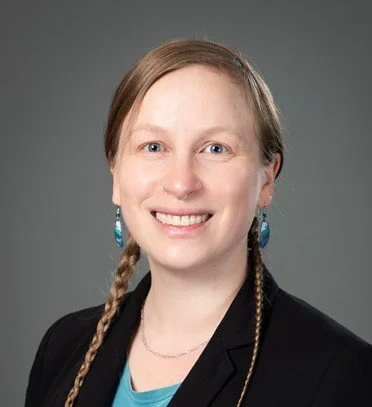
Rose Grace Grose, PhD
Dr. Rose Grace Grose (she/her) is an Associate Professor of Community Health Education at the University of Northern Colorado (UNC) in Greeley Colorado. She earned her PhD in Social Psychology with an emphasis in Feminist Studies from UC Santa Cruz and is a certified sex educator through San Francisco Sex Information. She completed a post-doctoral fellowship in Global Health at Emory University and was a Satcher Health Policy Leadership Fellow at Morehouse School of Medicine.
Dr. Grose is passionate about using research to inform policy and evidence-based programs to reduce sexual health disparities and promote gender equity. Her expertise is in mixed methods research, understanding social determinants and structural influences on sexual health, and evaluation of community-based programs in partnership with local organizations. In the classroom she creates experiences to help students understand the connections between social contexts, relationships, and individual health behavior.
Her leadership experience spans higher education, professional organizations, and community partnerships, with a particular focus on sexual health, health equity, and community engagement. She has served on committees related to recruitment and retention, alumni engagement, and inclusive excellence, and has been a mentor through UNC’s Gender and Sexuality Resource Center since 2018. She has also held leadership roles in community organizations and coalitions focused on LGBTQIA+ inclusion and comprehensive sexual health education.
Personal Statement
Dr. Rose Grace Grose (she/her) has been a member of SSSS since 2011 and most recently served as Secretary of the Board of Directors (2024-2026). In this role, she served on the Executive Committee, participated in the Executive Director Search Committee, and chaired the DEIB Task Force. She also collaborated on a major organizational records project that consolidated Society documents into a centralized Google Drive system, developing the folder structure, advising on permissions and implementation, and supporting a more sustainable approach to organizational recordkeeping and leadership transitions. Through her Board service, she contributed to strategic planning, governance initiatives, and implementation of several Board priorities.
Dr. Grose first became involved with SSSS as a graduate student conference volunteer in 2012. Since 2019, she has served on the Scientific Review Committee and assisted with local arrangements and exhibits for the 2019 Denver Annual Meeting. She also serves as an reviewer for The Journal of Sex Research.
Dr. Grose is committed to supporting SSSS’s mission and strategic priorities and would welcome the opportunity to continue serving the Society as a Member-at-Large. Coming from a Community Health Education program that values health equity, practices cultural humility, and centers community assets and strengths, Dr. Grose would bring that lens to the position. In addition to advancing sex science, she believes could do more to highlight teaching, promote community engagement, and disseminate knowledge beyond our annual meetings and publications by making more public statements and actions. Ultimately, she hopes to continue learning from our members, engaging underrepresented groups, and taking action to address member concerns and needs in a timely manner.
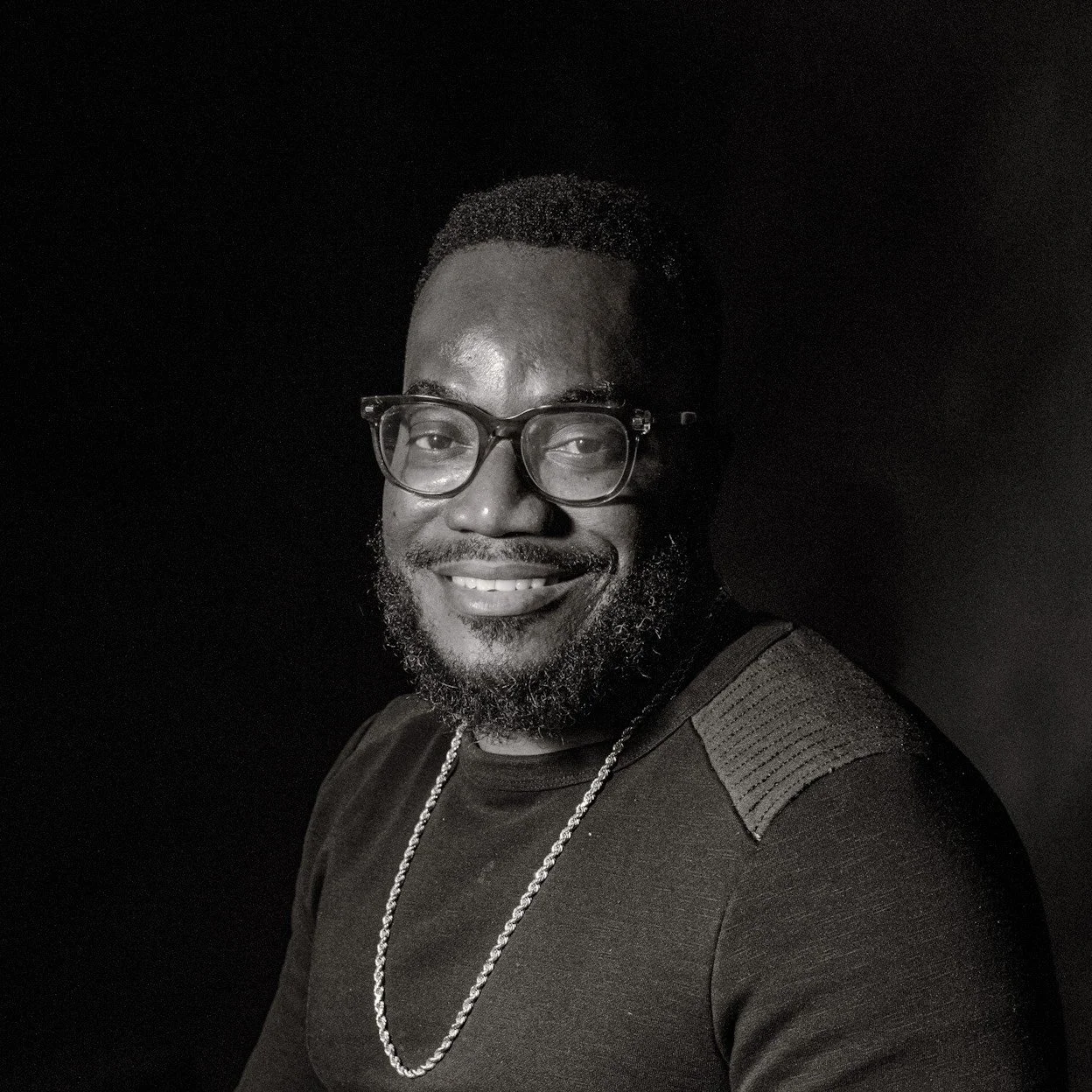
J. Lloyd Allen, PhD
J. Lloyd Allen (He/Him/King) is an Associate Professor at Morgan State University’s School of Social Work. He received his PhD (2017) from the University of Georgia, his Master of Social Work (2008) from Florida International University, his Master of Public Health (2023) from Wayne State University, and his Bachelor of Arts (2004) from Hampden-Sydney College. Dr. Allen brings a wealth of knowledge and expertise in mental health, racial equity, community engaged interventions, program evaluation, and research methods. He is a qualitative researcher who explores the impact of parent-child communications on sex, sexual orientation, and HIV risks, from perspectives of parents and LGBT individuals. He also examines Black mental health, specifically amongst Black/African American men, and finds culturally aware mechanisms to engage Black/African American men in therapy and mental health. Dr. Allen is passionate about mentorship and social justice, creating and fostering inclusive learning environments, and translating research into practice that empowers communities and individuals.
Personal Statement
I am a social work and public health researcher and practitioner who is committed to advancing LGBT individuals' health outcomes. To that end, I have worked closely and collaboratively with LGBT individuals at AIDS Service Organizations to create inclusive gender and health equity policies and programs, evaluated program objectives of projected designed to improve health outcomes of individuals with a substance use disorder, engaged community partners in supporting LGBT individuals, and oversaw HIV prevention programs. Logically, one of my goals was to find an organization that aligned with my research. In 2021, I attended my first SSSS conference in Puerto Rico, and I then I presented in Vancouver. In 2025, I attended the conference in Philadelphia. At that time, I realized that I wanted to become more involved. I spoke with several members on the leadership team, and I was invited to join the conference planning committee. Collectively, my research and work experiences and the SSSS meetings and discussions gave me renewed motivation; thus my decision to become more involved. In the role of member-at-large, I hope to bridge the intergenerational community which would strengthen mentorship and networking channels between early career researchers and students, with established sex science researchers, and to partner with the leadership team to help members translate their science into information that is easily accessible and digestible. I would be honored to bring my collaborative spirit, dedication, and service to this role.
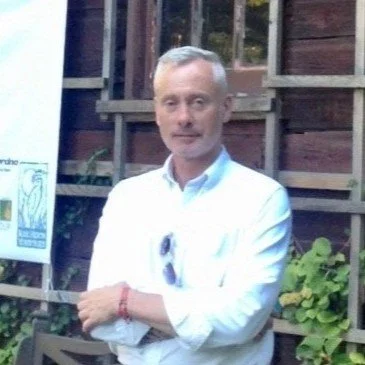
Braden Berkey, Psy.D
Braden Berkey, Psy.D., CSE (he/they) completed his doctoral work in clinical psychology at Wright State University. He is a licensed clinical psychologist and an Associate Professor in the Clinical Psy.D. Program at The Chicago School where his coursework has focused on professional ethics, clinical practice, interdisciplinary systems, diversity training and human sexuality since 2008. Braden s a past chair of the Chicago campus Faculty Council and the National Diversity & Equity Committee. He is a recipient of the university’s Distinguished Teaching for Excellence in Multicultural Teaching Award. Braden was a Service-Learning Award recipient twice and in 2024 he was honored as the Community Partnerships Faculty of the Year.
Prior to his academic appointment Braden served as the Director of Behavioral Health & Social Services at Howard Brown Health Center and he created the Sexual Orientation and Gender Identity Institute at Center on Halsted. He has been a consultant on sexual minority health for the Department of Medicine at the University of Chicago and numerous HIV/AIDS organizations. Braden is a member of AASECT, and he holds a certification as a sexuality educator. He is also the executive director of Projects Advancing Sexual Diversity (PASD). His dissertation lab focuses on sexual, gender and relationship issues across the lifespan and their intersections with other statuses. Braden is a faculty member at the Institute for Advanced Psychotherapy at Loyola University.
He is active in Division 44 of the American Psychological Association, and he has been a co-chair of the Health Initiatives Task Force and Diversity in Aging Committee. He is invested in community-based research and served on the Board of Directors of The Community Academic Consortium for Research on Alternative Sexualities. Braden worked on diversity initiatives and strategic planning during his eight-year tenure on the Legal Council for Health Justice Board of Directors.
Personal Statement
Greetings SSSS Members! I would be honored to serve as a Member-at-Large on the Board of Directors, particularly at this time. It is no news that our work and communities are under attack. I am professionally, and personally, invested in seeing that work advancing the science of sex and sexuality continues to thrive. My dissertation lab, Projects Advancing Sexual Diversity, is a big tent for the exploration of these subjects. I am particularly interested in exploring impacts of intersecting identities on development across the lifespan.
I have a broad background in promoting sex and sexuality issues within academic training, managed care systems, and community-based healthcare agencies. In addition to clinical and administrative positions, I served on the Board of Directors at Legal Council for Health Justice for eight years. In that capacity I contributed to DEI initiatives and a new strategic plan for the organization. I also provided consultation and advice for the leadership team on a number of community and internal issues.
As a clinical psychologist immersed in not-for-profit work I realized the limitations of my training. To address these gaps, I completed the University of Illinois at Chicago-Great Cities Initiative certification in nonprofit management. This program includes training on financial and governance issues. As a MAL I would contribute to a firm foundation for SSSS to grow on.
Beyond experience and training, I am a passionate collaborator. I teach an interdisciplinary systems course in clinical psychology and will be an instructor in our university’s new osteopathic medicine program this spring. As a MAL I would love to explore new relationships and creative partnerships that support the mission of SSSS.
Student Involvement Co-Chair Candidates
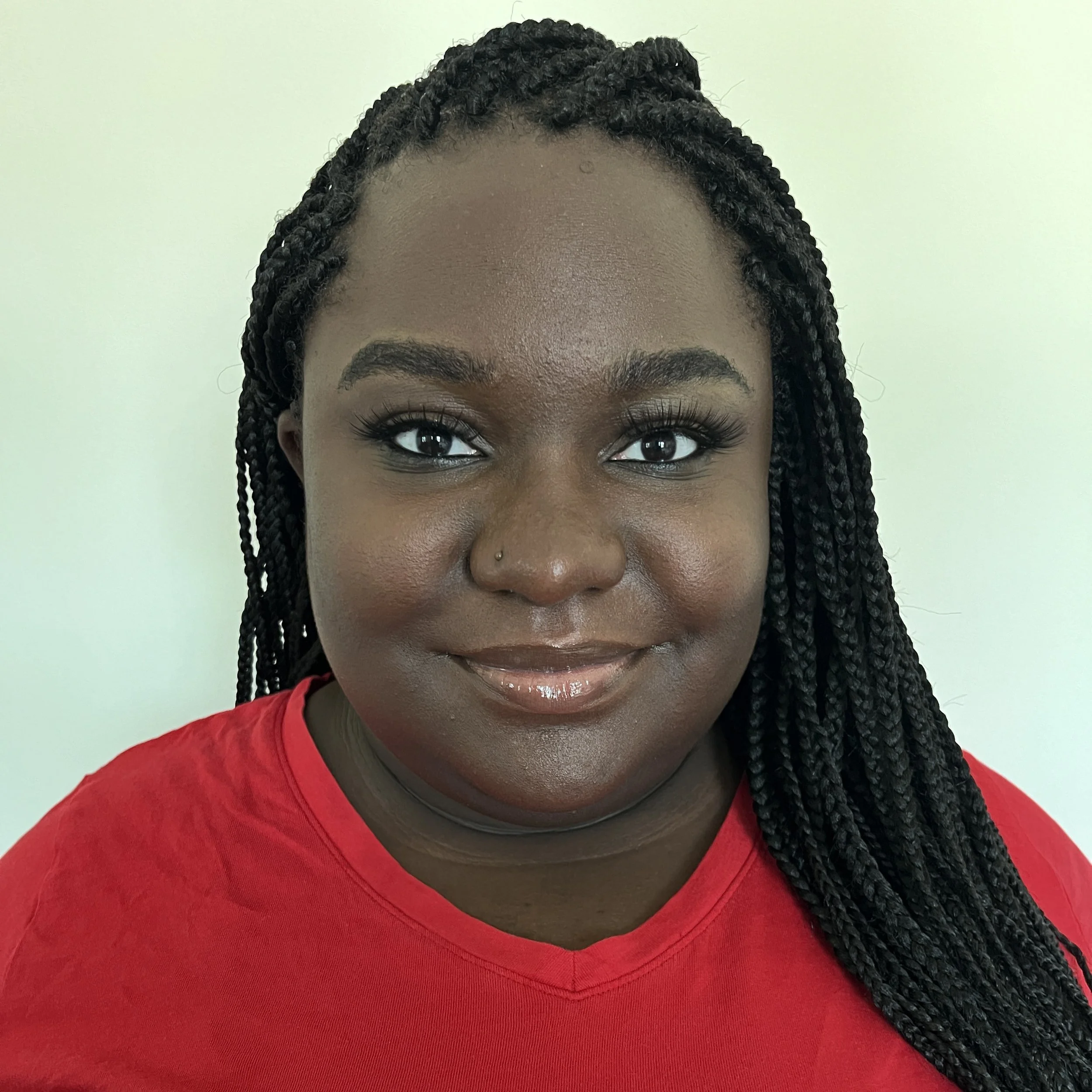
Tracy Borelus, BA
Tracy Borelus (she/her) earned her Bachelor of Arts in Psychology from Florida International University before pursuing a Master's degree in Clinical Psychology with a specialization in Forensic Psychology at Montclair State University. Now, she's continuing her academic journey at Fairleigh Dickinson University, where she's enrolled in the Clinical Psychology Ph.D. program, aiming to become a licensed forensic psychologist. Her research focuses on pressing societal issues such as sex trafficking, childhood sexual abuse, sex offending, and the intersection of AI and child pornography.
Personal Statement
I am honored to submit my nomination to SSSS, as it represents the kind of professional community I want to help build; one where people can ask difficult questions, learn from one another, and discuss sexuality without judgment or ridicule. Across my research and service, I have worked to bring curiosity, care, and respect to conversations that are often sensitive or uncomfortable.
In my graduate research lab (SUSTAIN), I contribute to research on sexuality topics, including paraphilic interests. My experiences studying sexual assault, child sexual abuse prevention, human trafficking, and justice involvement have shaped how I approach this work. They have taught me to consider whose perspectives are missing, question my assumptions, and recognize the people behind the data.
My three coauthored publications address health care disparities, child sexual abuse prevention, and human trafficking knowledge and beliefs. I have also contributed to conference presentations on pornography use, paraphilic interests, substance use, and sexual risk behavior. Presenting work at the 2026 SSSS Summer Colloquium connected my research interests with the Society’s commitment to examining challenging questions through scientific inquiry. My research on AI-generated depictions of child sexual abuse material reflects both my interest in how emerging technologies raise new questions for sexual science and abuse prevention and what draws me to SSSS: a community where sensitive topics can be explored through scientific inquiry, constructive dialogue, and respect. Additionally, as a student representative for the New Jersey Association for the Treatment and Prevention of Sexual Abuse, I help students connect with professional learning opportunities and advocate for sex offender rehabilitation.
I would bring these experiences to SSSS with a willingness to contribute and learn. I want to help create a community where students and established professionals feel comfortable participating, where disagreement remains constructive, and where people of all identities feel welcome. For me, advancing sexual science means pairing thoughtful research with respect for the people doing, participating in, and affected by it.
Raven Burton
No candidate information provided.